
Popular Food and Beverage Website Examples
Popular Food and Beverage Website Examples
In today’s digital world, having a strong online presence is crucial for food and beverage brands aiming to attract and engage their customers. Popular food and beverage websites set the standard by combining appealing design, rich content, and user-friendly features that create memorable experiences. Whether you run a startup drink brand or an established restaurant chain, exploring exemplary sites can inspire your own digital strategy.
1. Showcasing Clear Brand Identity and Storytelling
Successful food and beverage websites often begin by expressing a clear brand identity. This includes well-crafted messaging about the company’s mission, values, and unique product offerings. Storytelling helps customers connect emotionally, making the products more memorable and relatable. For example, websites that emphasize natural ingredients, sustainability, or local sourcing resonate deeply with conscious consumers. Integrating high-quality visuals that tell the brand’s story alongside compelling text enhances credibility and trustworthiness.

2. User-Friendly Design and Navigation
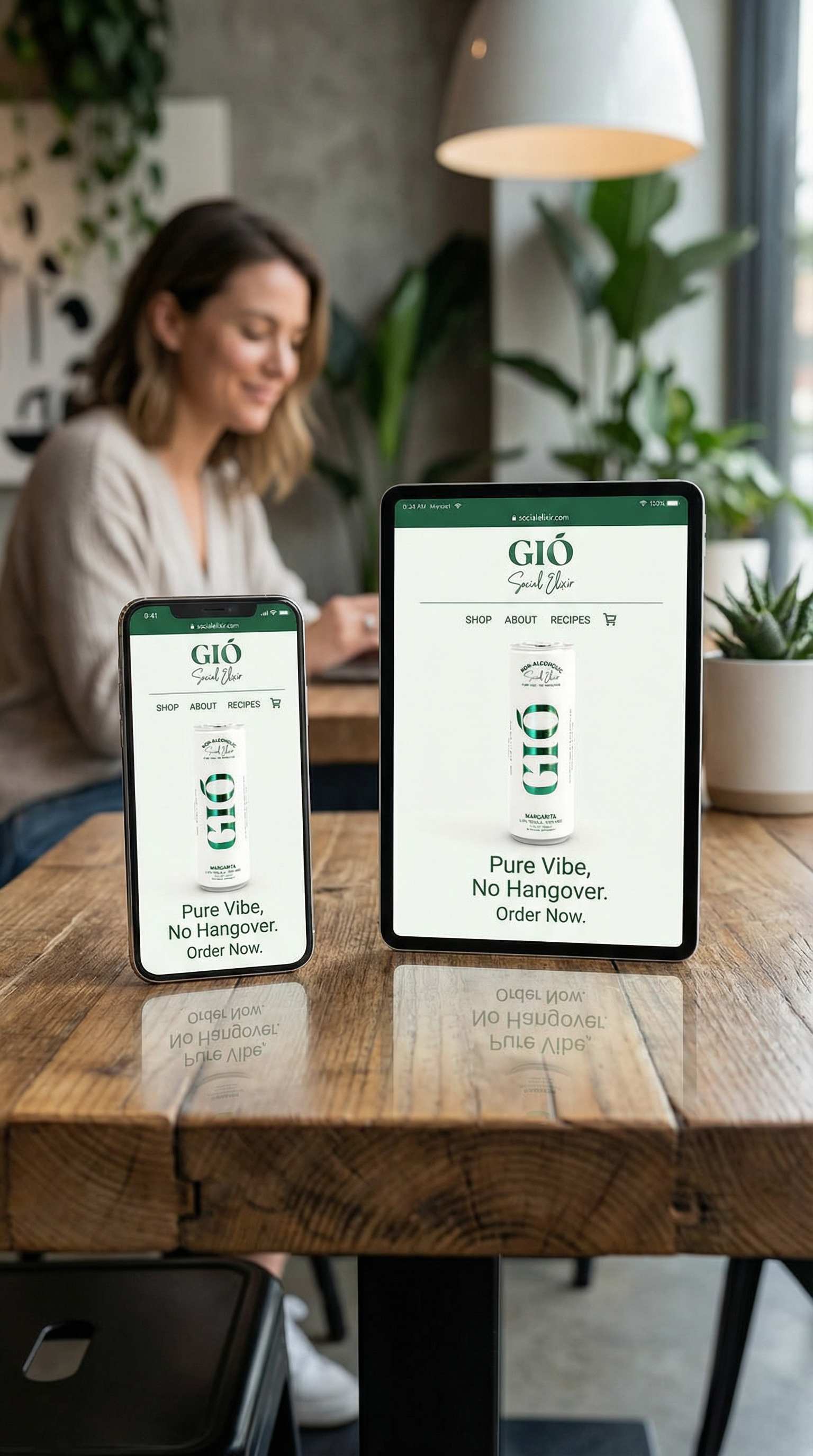
Easy navigation and intuitive design are essential features for popular food and beverage websites. Visitors should find what they need without frustration, whether browsing product pages, locating nutritional information, or searching for recipes. Mobile responsiveness is also critical, as many consumers browse and shop on smartphones and tablets. Clear calls to action, simple menus, and fast loading times improve overall user experience and encourage repeat visits. This seamless usability supports brand loyalty and customer satisfaction.

3. Content That Engages and Educates
Engaging content goes beyond product descriptions. Many top food and beverage sites include blogs, videos, and interactive features that educate customers about health benefits, pairing suggestions, or preparation tips. This type of content positions the brand as an expert and trusted resource, strengthening customer relationships. For producers of beverages, providing information on sourcing, brewing, or flavor profiles can add value and help customers make informed choices.
4. Integrating E-commerce and Customer Interaction
Popular sites often incorporate e-commerce capabilities allowing customers to purchase products directly. Features such as easy checkout, customizable orders, and subscription options elevate the buying experience. Additionally, interactive elements like customer reviews, FAQ sections, and live chat foster engagement and support. These tools help brands build lasting connections and gather insights to optimize their offerings.
By taking inspiration from leading food and beverage websites, brands can enhance their digital footprint organically while addressing the needs and preferences of their audience. A well-designed site with authentic storytelling, intuitive navigation, and educational content creates value far beyond the products themselves. For companies like DrinkGIO, focusing on delivering a seamless user experience and clear brand messaging ensures they stand out in a competitive market and build trust with their consumers.